
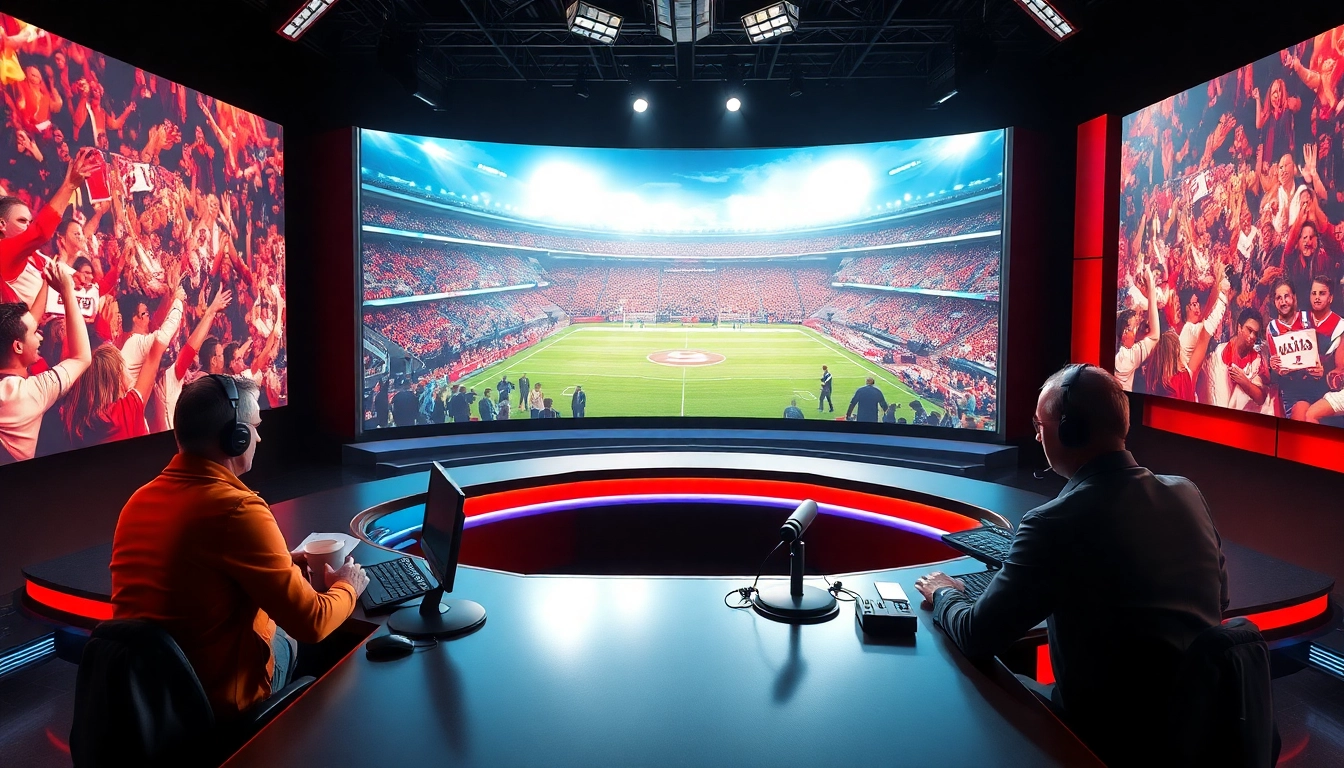
Understanding Sports Broadcasting
Definition of Sports Broadcasting
Sports broadcasting is the transmission of live or recorded sports events via electronic media, such as television, radio, and the Internet. It encompasses various formats, including play-by-play commentary, analyst insights, highlights, and live event coverage. The goal is to provide audiences with immersive experiences, connecting them to their favorite sports, athletes, and teams.
The Importance of Sports Broadcasting
Sports broadcasting plays a critical role in promoting sports culture and engagement. It ensures that fans can access games and events regardless of their location, fostering a sense of community. Moreover, it contributes to the economic ecosystem of sports by generating substantial revenue through advertisements, sponsorships, and viewership. An engaging Sports Broadcasting strategy can enhance the visibility of lesser-known sports, helping them find an audience and thrive.
Types of Sports Broadcasting Formats
There are several formats of sports broadcasting that cater to different audience preferences:
- Live Broadcasts: These provide real-time coverage of events, allowing viewers to experience the thrill as it unfolds.
- Recorded Highlights: These offer condensed versions of events for viewers who may not have time to watch in full.
- Talk Shows and Analysis: These provide in-depth discussions, breaking down strategies and performances.
- Documentaries and Special Features: These delve into the stories and history of teams and athletes, enhancing fan connection.
Key Components of Sports Broadcasting
Equipment Needed for Sports Broadcasting
High-quality sports broadcasting relies on an assortment of specialized equipment:
- Cameras: Multiple angles are crucial. HD and 4K cameras help capture every detail of the action.
- Microphones: Clear audio is essential for commentary and crowd noise.
- Broadcasting Software: For live production, scheduling, and distribution of content.
- Graphics and Animation Tools: These enhance viewer engagement through scores and stats integration.
Roles in Sports Broadcasting Teams
A successful broadcast requires a diverse team with various roles:
- Play-by-Play Announcer: The voice of the game, providing real-time commentary.
- Color Commentator: Offers insights and analysis, enriching the viewing experience.
- Producers and Directors: Overseeing the overall broadcast, ensuring smooth transitions and timing.
- Cameramen and Audio Technicians: Responsible for capturing high-quality visuals and sound.
Production Techniques in Sports Broadcasting
Effective production techniques can elevate the quality of sports broadcasts:
- Multi-Camera Setup: Switching between different camera angles to capture all aspects of the event.
- Instant Replay: Allowing viewers to revisit key moments during the game.
- Graphics Integration: Using statistics, player bios, and other visuals enriches storytelling.
Challenges in Sports Broadcasting
Legal Considerations in Sports Broadcasting
Legal issues surrounding sports broadcasting can be complex. Rights to air games are often fiercely contested, requiring extensive contracts and negotiations. Broadcasters must also navigate copyright laws and compliance with broadcasting regulations to avoid legal repercussions.
Technical Difficulties During Live Events
Technical issues can pose significant challenges during live broadcasts. Connectivity problems, equipment failures, or power outages can disrupt the viewing experience. Preparing contingency plans, such as backup equipment and communication systems, is essential to mitigate these risks.
Addressing Audience Engagement Issues
Maintaining audience engagement can be challenging in a saturated market. Broadcasters must innovate continuously, leveraging interactive features such as viewer polls, Q&As, and social media integration to keep audiences invested and involved.
Best Practices for Successful Sports Broadcasting
Enhancing Storytelling in Sports Broadcasting
The emotional connection is key in sports. Broadcasters should weave narratives that showcase athlete journeys, rivalries, and team dynamics. Utilizing player interviews and historical context can make broadcasts more engaging and relatable to viewers.
Utilizing Social Media for Live Interaction
Social media serves as a powerful tool for enhancing viewer interaction. Engaging audiences through live tweets, behind-the-scenes content, and real-time feedback can significantly boost viewership and audience loyalty.
Measuring Performance Metrics in Sports Broadcasting
Data analytics plays a vital role in understanding audience preferences and behaviors. Metrics such as viewership numbers, engagement rates, and social media interactions provide insights necessary for optimizing broadcasts and attracting advertisers.
Future Trends in Sports Broadcasting
Technology Innovations in Sports Broadcasting
The future of sports broadcasting is filled with technological advancements. Ideas like 8K broadcasting, augmented reality (AR) for enhanced graphics, and AI for data analysis are set to create unprecedented viewing experiences. Staying ahead of trends will be crucial for broadcasters to maintain relevance.
The Shift to Streaming Platforms
As more audiences turn to streaming services, sports broadcasters must adapt. Live sports events are increasingly featured on digital platforms, aligning with viewers' preferences for convenience and flexibility. This shift necessitates new strategies to monetize content effectively.
Fan Experiences and Virtual Reality in Sports Broadcasting
Virtual reality (VR) is poised to transform fan experiences by providing immersive viewing options. Fans can enjoy games from the comfort of their homes while feeling as if they’re in the stadium through VR technology, elevating engagement and offering new advertising opportunities.
Frequently Asked Questions
What is sports broadcasting?
Sports broadcasting refers to the transmission of live or recorded sports events via TV, radio, or digital platforms, aiming to connect fans with their favorite sports and teams.
What equipment is essential for sports broadcasting?
Key equipment includes cameras, microphones, broadcasting software, and graphics tools to ensure high-quality visual and audio production.
How can social media enhance sports broadcasts?
Social media enhances interaction by allowing real-time engagement, polls, and sharing behind-the-scenes content, attracting more viewers and building community.
What are the main challenges in sports broadcasting?
Main challenges include legal issues, technical difficulties during live events, and ensuring audience engagement in a competitive landscape.
What trends are shaping the future of sports broadcasting?
Future trends include technological innovations like VR, the rise of streaming platforms, and advanced analytics for improving viewer experiences.